
Understanding the psychological effects of gambling on decision-making behavior
The Nature of Gambling and Its Appeal
Gambling is an age-old activity that captivates individuals with the allure of potential financial gain, excitement, and social interaction. At its core, the appeal lies in the uncertainty of outcomes, which stimulates the brain’s reward system. Many people often engage in gambling as a form of escapism, seeking relief from stress or boredom, and the aviator game exemplifies a popular choice among enthusiasts. This psychological drive can lead to repeated behavior, where individuals chase the high associated with winning, regardless of the potential losses involved.
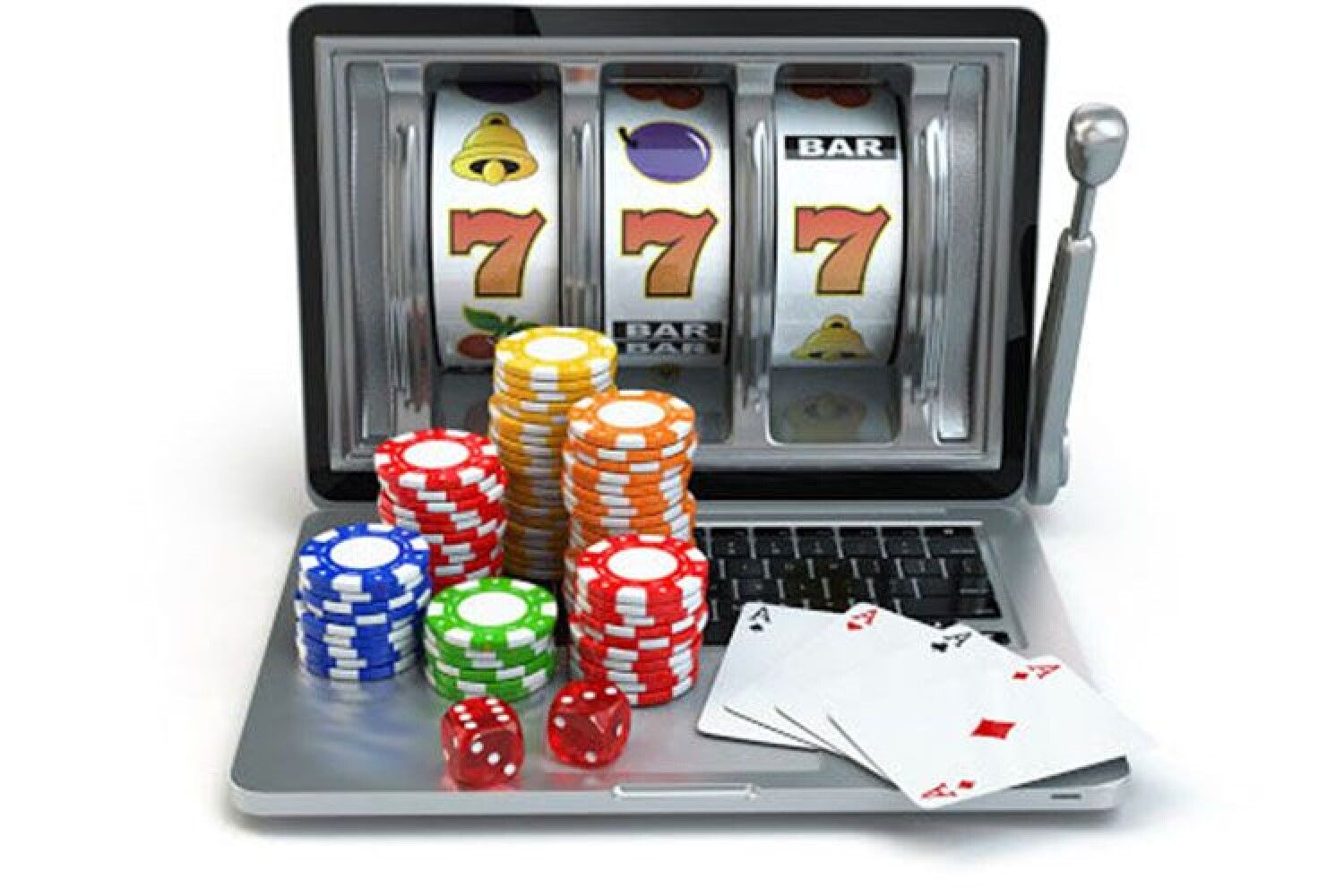
The thrill of the gamble can create an addictive cycle. This cycle is fueled by the intermittent reinforcement schedule of wins and losses, which can be particularly enticing. Unlike consistent rewards, the randomness inherent in gambling keeps players returning for more, even when they have faced substantial losses. This unpredictability can distort an individual’s understanding of probability and risk, leading to poor decision-making.
Cultural factors also play a significant role in gambling’s appeal. In some societies, gambling is viewed as a social activity, often integrated into celebrations or communal gatherings. This societal acceptance can enhance the normalization of gambling behaviors, making it easier for individuals to justify their participation. Consequently, the psychological effects of gambling extend beyond the individual to impact social relationships and community dynamics.
The Psychological Mechanisms at Play
The psychological effects of gambling on decision-making are rooted in several cognitive biases and emotional triggers. One prominent mechanism is the illusion of control, where gamblers believe they can influence the outcome of a game despite the odds being purely random. This belief can lead to overconfidence in their decision-making capabilities, causing them to make irrational bets and escalate their gambling behavior.
Additionally, the concept of loss aversion—where individuals prefer to avoid losses rather than acquire equivalent gains—can significantly skew decision-making. Gamblers may continue wagering to recoup their losses, a phenomenon known as chasing losses. This behavior is fueled by emotions such as hope and desperation, which cloud rational judgment. Consequently, the more one gambles, the more entrenched they may become in this cycle of poor decision-making.
Another psychological aspect involves the social reinforcement of gambling. Players may observe peers experiencing wins, reinforcing their belief that they too can succeed. The social environment can create pressure to conform to gambling behaviors, leading to increased participation among groups. This social influence complicates individual decision-making, as personal choices become intertwined with group dynamics and perceived norms.
The Consequences of Gambling on Decision-Making
The consequences of gambling extend far beyond financial implications, impacting cognitive and emotional well-being. Decision-making becomes increasingly erratic as the gambler becomes more invested in the activity. As they chase losses or victories, their ability to assess risks diminishes, leading to choices that may jeopardize their financial stability and personal relationships. This deterioration of judgment can have long-lasting effects on an individual’s life.
Furthermore, gambling can instigate a range of psychological issues, including anxiety, depression, and compulsive behavior. The stress of losing can trigger a vicious cycle, where the gambler resorts to further gambling in an attempt to alleviate negative emotions. This cycle exacerbates their mental health struggles and can lead to a profound sense of isolation and despair. As a result, decision-making becomes increasingly dominated by emotional responses rather than rational thought.
Moreover, the repercussions of gambling can extend to familial and societal levels. Relationships often suffer due to financial strain and trust issues, creating a ripple effect that influences close connections. Families may face emotional turmoil, and communities may experience increased crime rates associated with gambling-related debts. These societal impacts underscore the importance of understanding the psychological effects of gambling on decision-making behaviors, as they have far-reaching consequences that affect many individuals beyond the gambler themselves.
Preventive Measures and Support Systems
Recognizing the psychological effects of gambling is crucial for implementing preventive measures. Education on the risks associated with gambling can empower individuals to make informed decisions. Awareness campaigns can highlight the cognitive distortions commonly experienced by gamblers, such as the illusion of control, helping individuals to recognize these patterns in themselves. By fostering understanding, individuals can better guard against the allure of gambling.
Support systems play a vital role in addressing the negative outcomes of gambling. Counseling and support groups can provide individuals with the tools to cope with their gambling behaviors. These resources not only promote accountability but also create a safe space for sharing experiences. Peer support can be instrumental in challenging the social norms that perpetuate gambling, emphasizing the importance of making healthier choices.
Furthermore, policies and regulations surrounding gambling can help mitigate its adverse effects. Governments can play a crucial role by implementing strict guidelines for gambling establishments, such as enforcing age restrictions and promoting responsible gambling practices. These measures can create an environment that prioritizes the well-being of individuals while still allowing for the enjoyment of gambling as a form of entertainment.

Engaging with the E-Sports Community
The psychological effects of gambling extend into the realm of e-sports and competitive gaming, where betting on outcomes has become increasingly prevalent. Understanding these effects is essential for players, fans, and industry stakeholders. The community can benefit from fostering discussions around responsible gaming practices, emphasizing mental health awareness, and promoting decision-making skills that prioritize well-being.
Platforms that focus on e-sports can serve as valuable resources for information regarding gambling trends and their psychological impacts. By providing insightful articles and support systems, these platforms can educate users on the intricacies of gambling behavior. This knowledge can empower individuals to navigate their interests in gaming responsibly, ensuring that the thrill of competition does not come at the expense of mental health.
Moreover, engaging with the community encourages a culture of open dialogue regarding the potential risks associated with gambling in e-sports. As players and fans share their experiences and strategies, they can collectively develop healthier gaming practices that foster positive decision-making. By prioritizing mental well-being, the e-sports community can create an environment that nurtures both competitive spirit and responsible gaming.
